
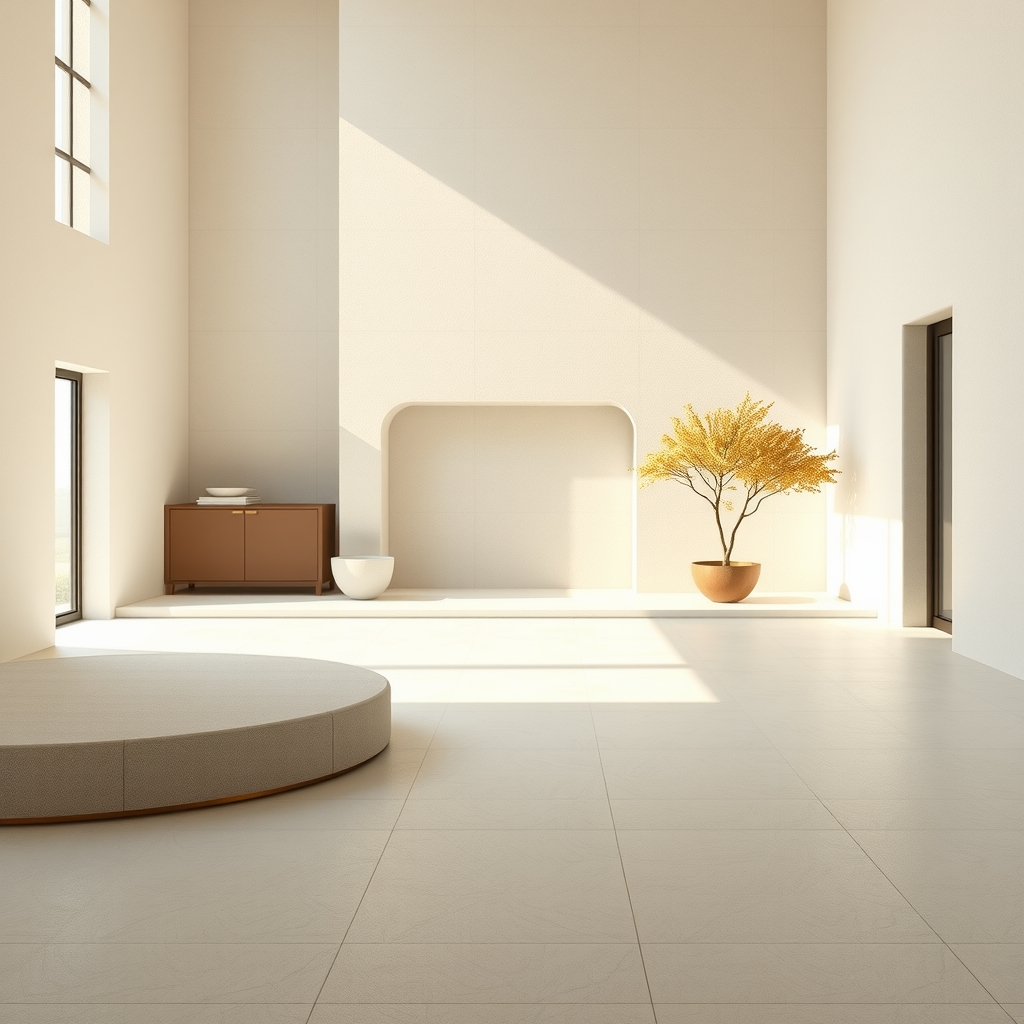
Creating a calm environment is essential for maintaining somatic wellbeing. A well-designed space can help regulate our emotions, reduce stress, and promote relaxation. In this article, we will explore three key concepts that can help you create a serene atmosphere: environmental regulation, sensory comfort, and simplicity.
Environmental Regulation
Environmental regulation refers to the ability to control and modify our surroundings to suit our needs. This can be achieved by adjusting factors such as lighting, temperature, and noise levels. For example, using dim red lights in the evening can help signal to our brain that it's time to sleep, while a quiet and cool environment can help reduce stress and anxiety. A realistic everyday example of environmental regulation is creating a morning routine that involves opening curtains to let natural light in, which can help regulate our circadian rhythms and improve our mood.
Sensory Comfort
Sensory comfort is about creating an environment that is pleasing to our senses. This can include using comfortable textures, calming colors, and soothing sounds. For instance, adding plants to a room can not only purify the air but also provide a calming visual element, while using a weighted blanket can provide a sense of security and comfort. A common mistake when it comes to sensory comfort is overstimulating our senses with too many colors, textures, and sounds, which can lead to feelings of overwhelm and anxiety.
Simplicity
Simplicity is about creating an environment that is free from clutter and distractions. A cluttered space can contribute to feelings of stress and anxiety, while a simple and organized space can promote relaxation and focus. A practical example of simplicity is implementing a daily routine of tidying up, which can help reduce clutter and create a sense of calm. It's also important to limit technology use in certain areas, such as the bedroom, to promote relaxation and improve sleep quality.
A useful checklist for creating a calm environment includes:
- Assessing your space and identifying areas that need improvement
- Implementing environmental regulation strategies such as adjusting lighting and temperature
- Adding sensory comfort elements such as plants and comfortable textures
- Practicing simplicity by reducing clutter and limiting technology use
In addition to these concepts, it's also important to consider the role of nature in creating a calm environment. Spending time in nature has been shown to have a positive impact on both physical and mental health, and can be incorporated into your daily routine through activities such as walking or gardening. By combining these elements, you can create a serene and peaceful space that promotes relaxation and wellbeing.
In conclusion, creating a calm environment is crucial for maintaining somatic wellbeing. By applying the concepts of environmental regulation, sensory comfort, and simplicity, we can design serene spaces that promote relaxation, reduce stress, and improve our overall quality of life. By being mindful of our surroundings and making intentional choices, we can create an environment that supports our wellbeing and helps us thrive.