
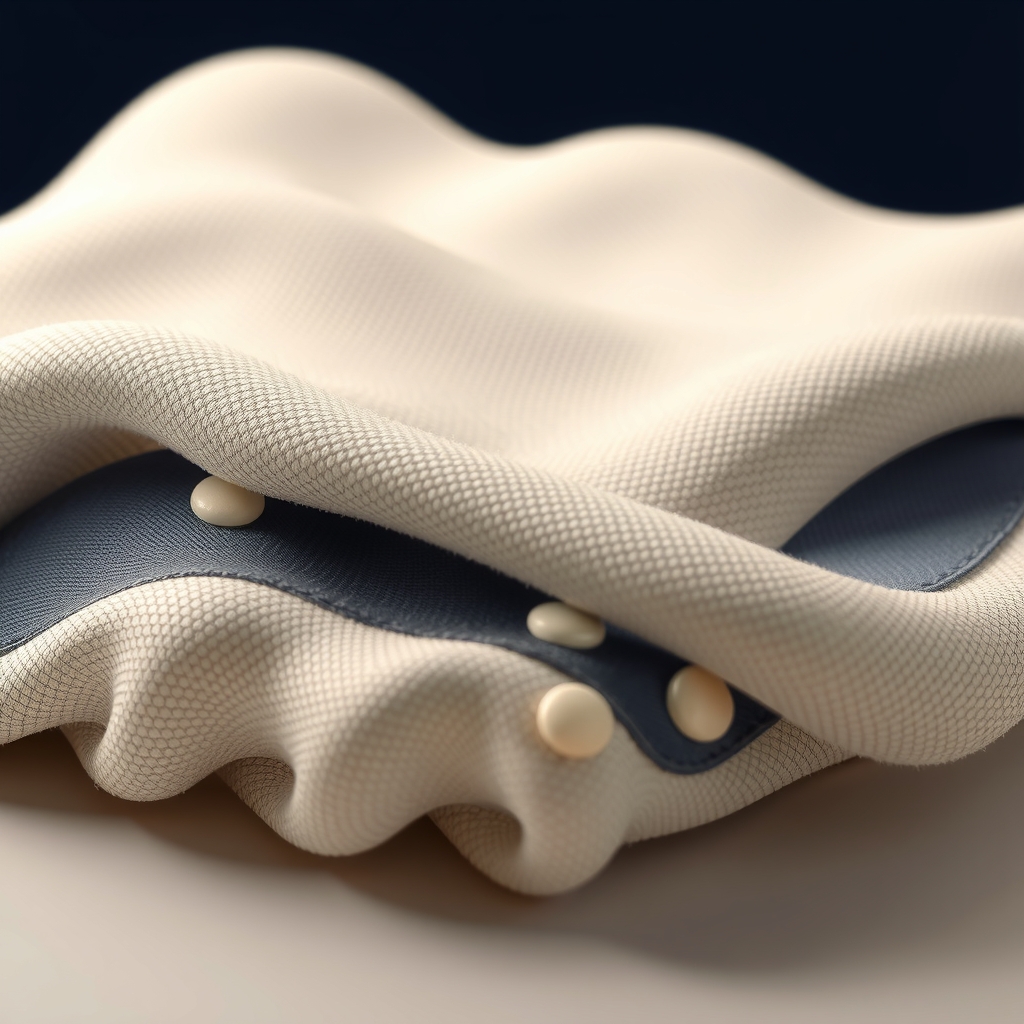
Imagine being able to find calm in the midst of chaos, simply by tuning into your senses. For individuals with somatic sensitivities, comforting sensory inputs can be a powerful tool for managing stress and promoting wellbeing. By understanding and leveraging sensory preferences, comfort, and personalization, individuals can create a tailored approach to somatic comfort that meets their unique needs.
Understanding Sensory Preference
Sensory preference refers to the unique ways in which individuals process and respond to different sensory stimuli, such as light, sound, touch, taste, and smell. Some people may find comfort in the sound of gentle music, while others may prefer the feeling of soft fabrics or the smell of certain scents. By identifying and honoring individual sensory preferences, individuals can create a sensory environment that promotes relaxation and reduces stress.
Comfort and Personalization
Comfort is a highly personal and subjective experience that can vary greatly from person to person. What one person finds comforting may not have the same effect on another. Personalization is key to creating a comforting sensory experience. This can involve experimenting with different sensory inputs, such as trying out different types of music or aromatherapy, to find what works best for each individual. For example, someone who finds comfort in nature may benefit from spending time outdoors or bringing elements of nature, such as plants or a water feature, into their home.
Applying Sensory Comforts in Everyday Life
So how can individuals apply these concepts in their everyday lives? Here are some practical tips:
- Keep a comfort kit on hand, filled with items that provide sensory comfort, such as a soft blanket, a favorite scent, or a pair of cozy socks.
- Experiment with different sensory inputs, such as music, aromatherapy, or tactile activities, to find what works best for you.
- Create a calming environment by adjusting lighting, temperature, and noise levels to meet your individual needs.
A common mistake is to try to force a particular sensory experience, rather than allowing yourself to explore and discover what works best for you. By being open to experimentation and honoring your individual sensory preferences, you can create a personalized approach to somatic comfort that promotes relaxation and wellbeing.
In addition to these tips, it's essential to consider the role of technology in creating a comforting sensory environment. For example, apps that provide guided meditation or calming music can be a useful tool for managing stress and promoting relaxation. Similarly, smart home devices can be used to adjust lighting and temperature to create a calming atmosphere.
Furthermore, it's crucial to prioritize self-care and make time for activities that promote sensory comfort. This can include activities such as yoga, tai chi, or other mindfulness practices that help to reduce stress and promote relaxation. By incorporating these activities into your daily routine, you can create a comprehensive approach to somatic comfort that meets your unique needs.
In conclusion, comforting sensory inputs can be a powerful tool for managing stress and promoting somatic wellbeing. By understanding and leveraging sensory preference, comfort, and personalization, individuals can create a tailored approach to somatic comfort that meets their unique needs. Remember to be patient, stay open-minded, and prioritize self-care as you explore the world of sensory comforts. With the right approach, you can find calm in the midst of chaos and promote a sense of wellbeing that lasts a lifetime.